


Medikro and TAMK: Smooth collaboration and practical learning in spirometry
Text: Elina Kiviaho, Medikro and Marjut Murtosaari, TAMK
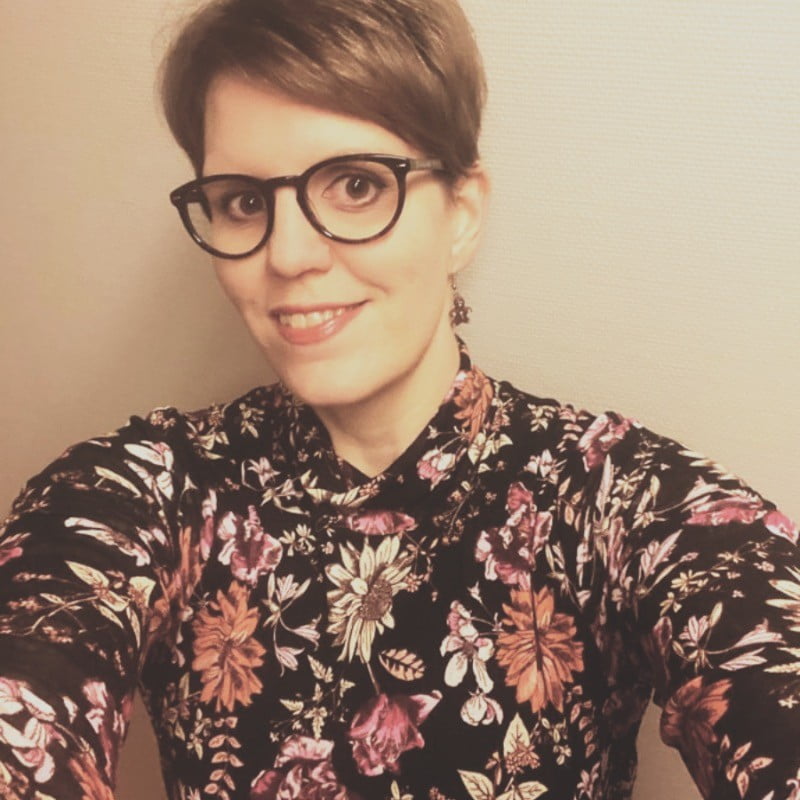
At Tampere University of Applied Sciences (TAMK), spirometry education is strongly built around hands-on learning. Collaboration with Medikro provides students the opportunity to work with devices and software widely used in Finnish healthcare. Lecturer and biomedical laboratory scientist Marjut Murtosaari explains how this cooperation is reflected in teaching and what hopes she has for the future.
Collaboration that responds to the needs of the educational institution
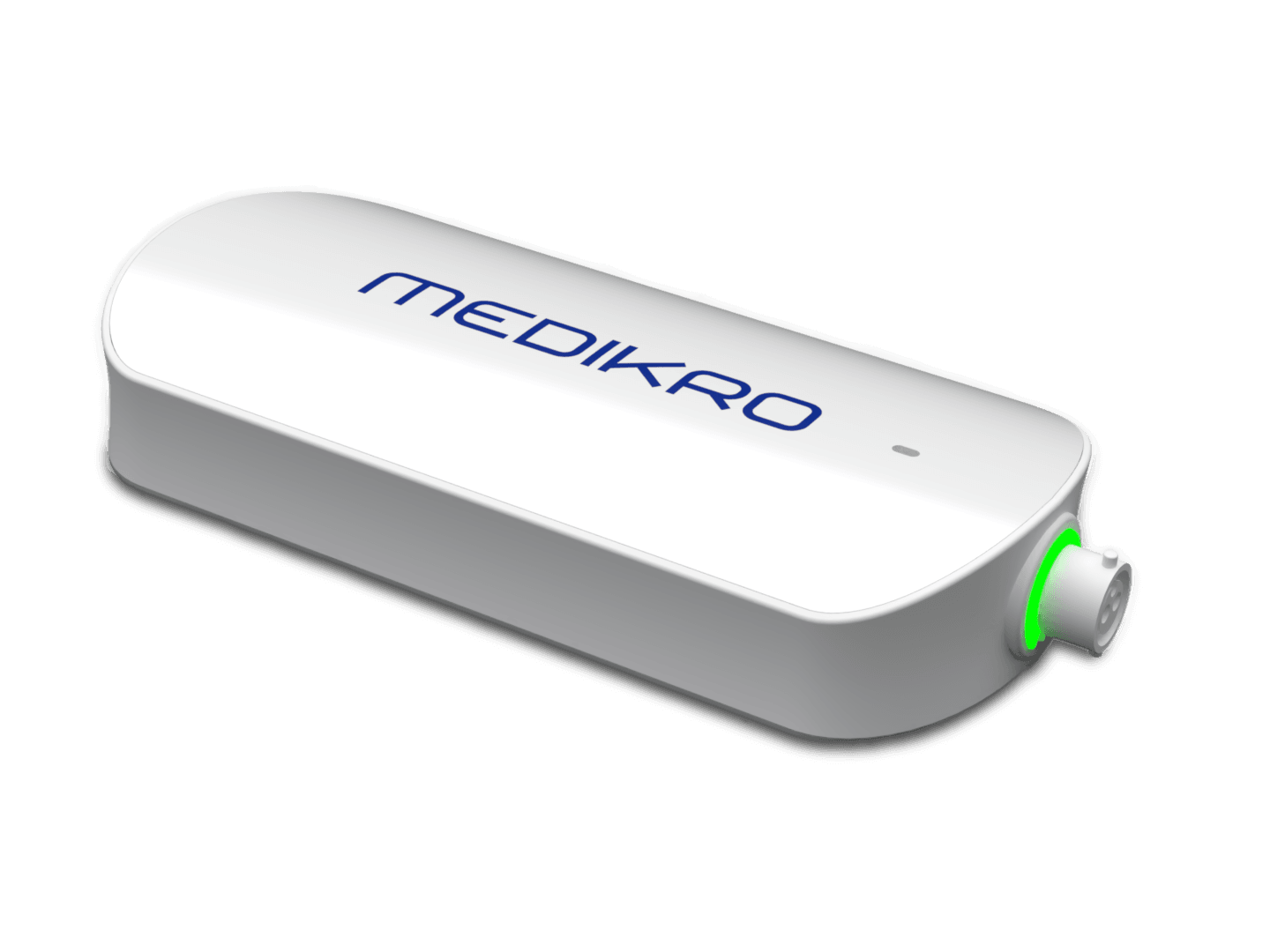
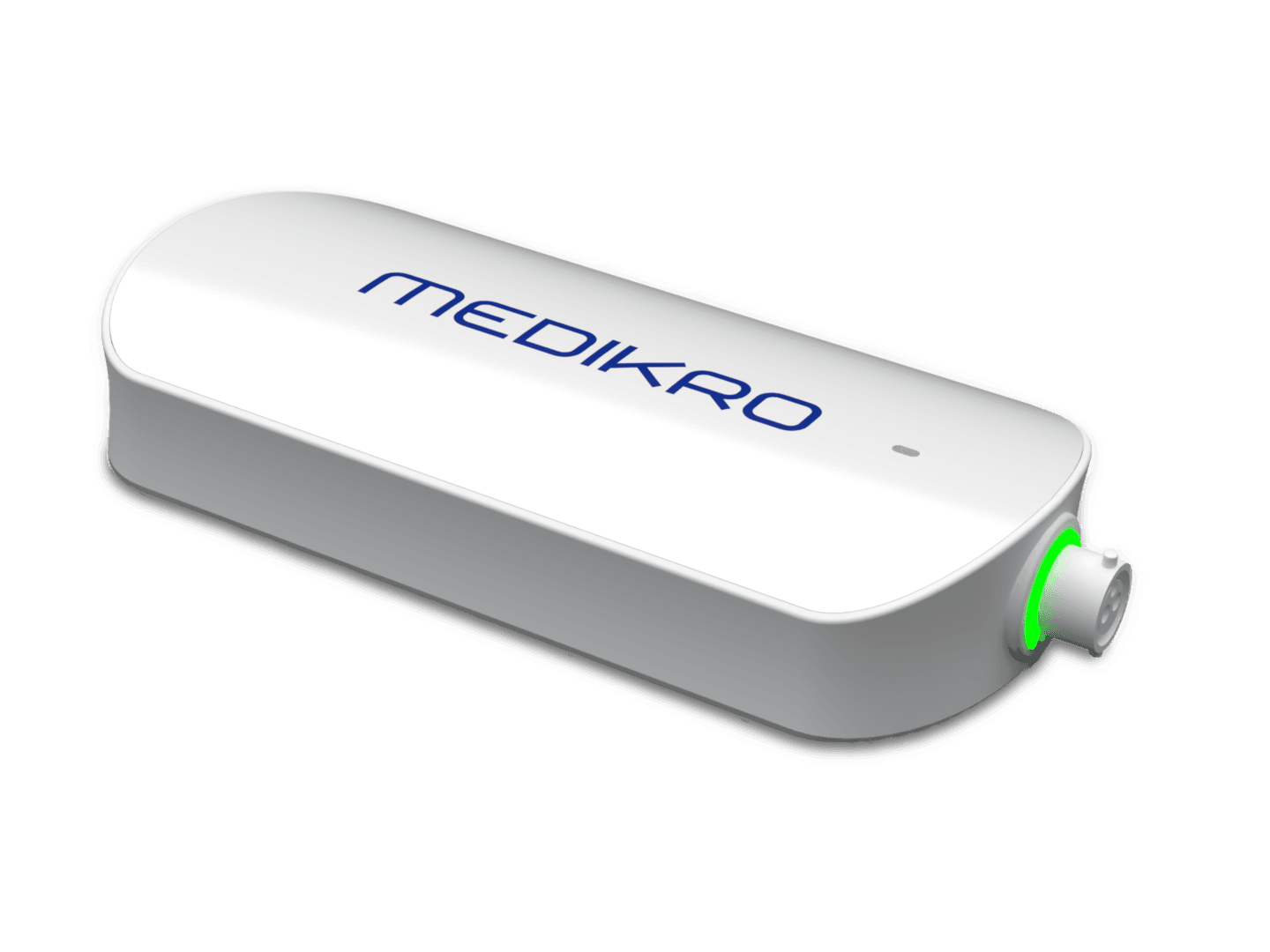
“Collaboration with Medikro has been flexible and smooth. Help and guidance are easy to access, and inquiries are answered quickly. Medikro understands the needs of the customer and can recommend the most suitable equipment and supplies,” Murtosaari says.
For teaching development, she also considers it essential to receive information about upcoming software updates in advance and to understand what these changes mean for those performing the tests. She has experience working with Medikro also through a previous employer, and according to her, the cooperation has been equally reliable regardless of the organization:
“The collaboration has continued in a similar way regardless of which organization I have worked for,” Murtosaari notes.
Spirometry in teaching: hands-on practice and insights
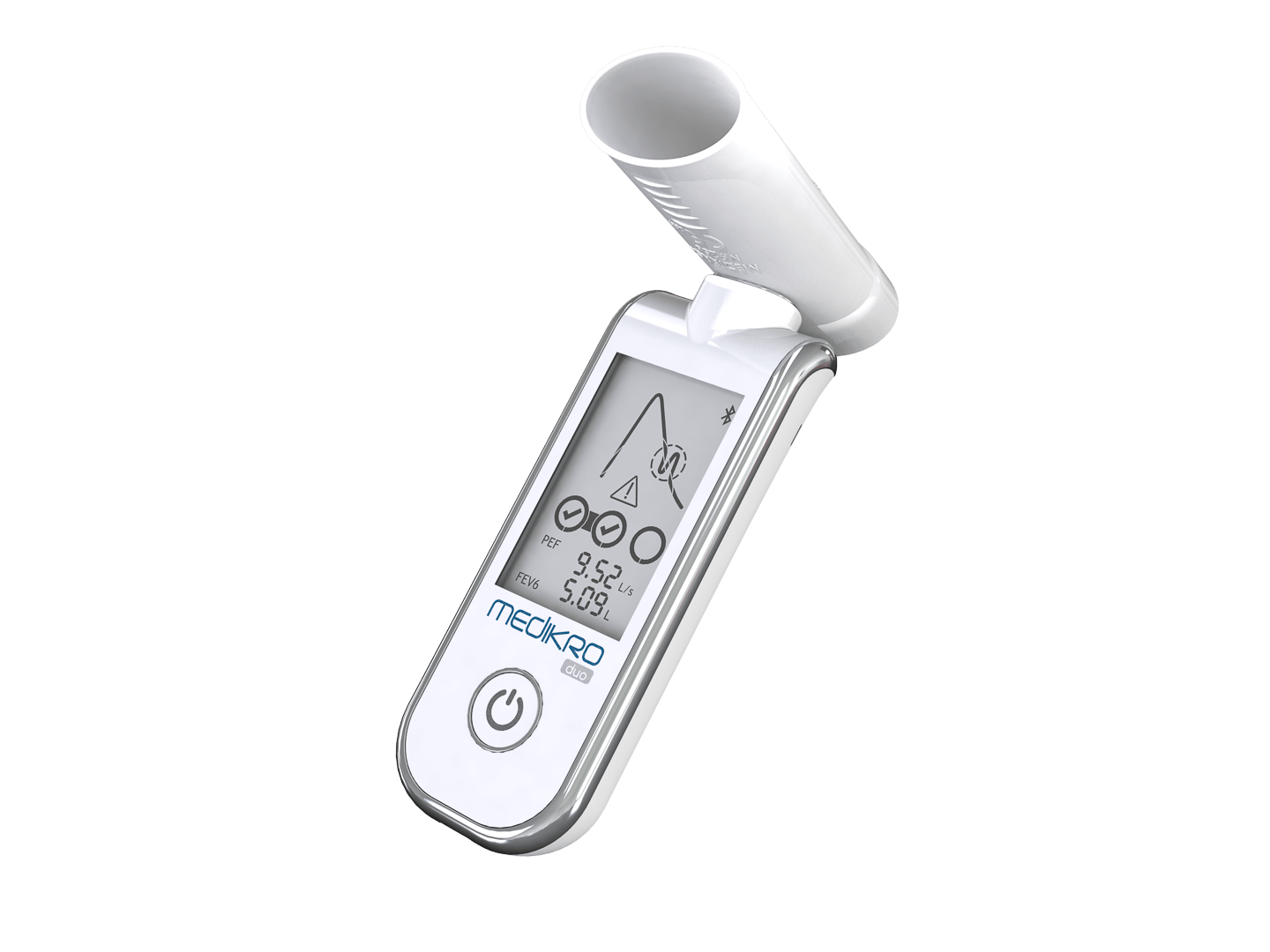
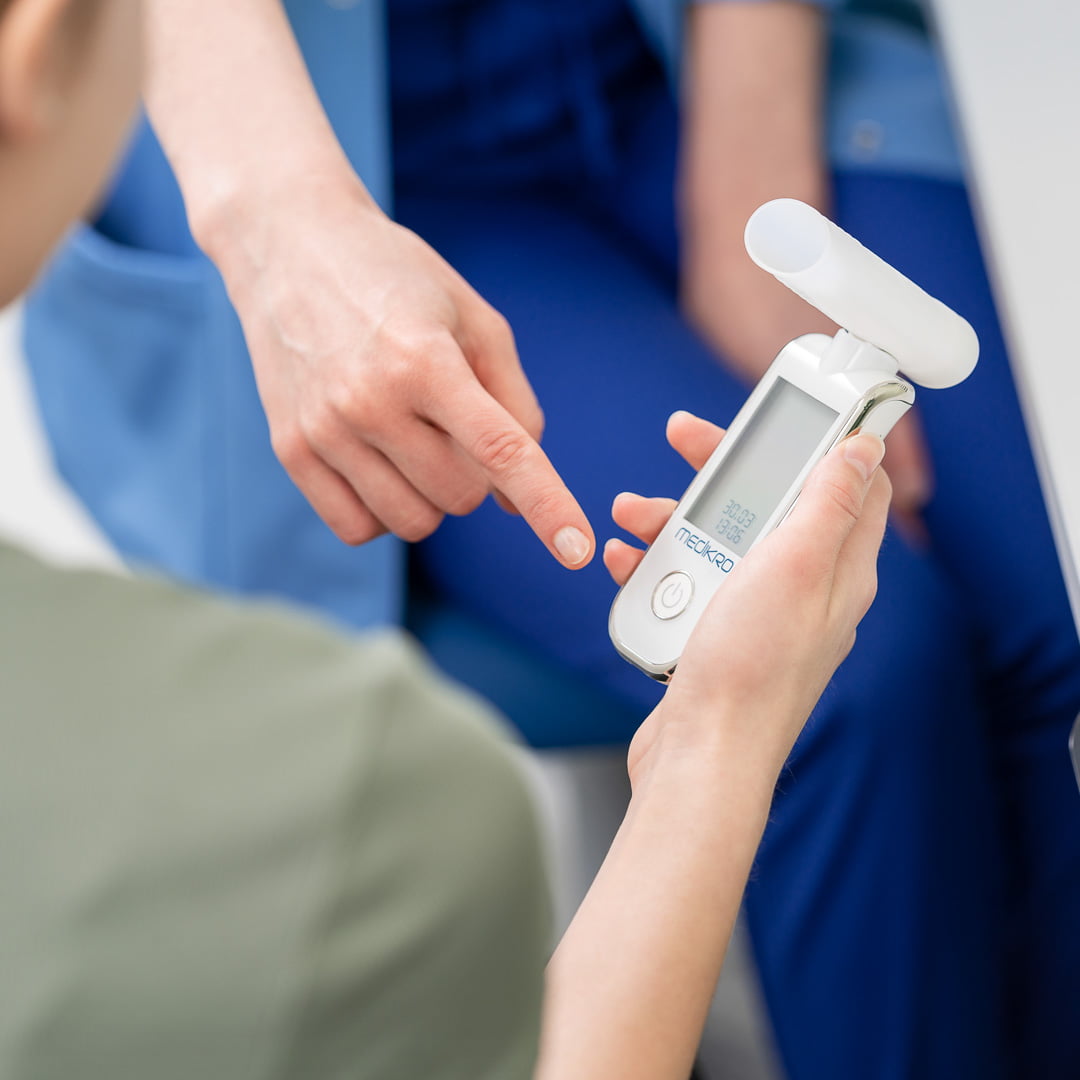
At TAMK, students practice spirometry in a versatile way using Medikro’s equipment and software. “Students practice using the software, performing different types of blows, and examining values and curves,” Murtosaari explains. The use of the Medikro Duo device as a digital PEF meter allows students to compare digital and manual measurement methods. Training motivates students and increases their confidence in using the software:
“Students approach practicing with the software eagerly and bravely,” she says.
One illustrative detail in the software has particularly caught the students’ attention:
“Students have found a small frog in the software, which always makes them laugh, but it serves as a good demonstration of the importance of blow duration.”
Freddie the Frog makes spirometry fun and ensures more accurate and reliable results by motivating to perform the test correctly.
Although there are no concrete examples of how this training has directly eased the transition to working life, Murtosaari believes it has value:
“I believe it is beneficial that students have already been able to practice with the same software at school before entering internships or working life.”
Looking ahead: deeper expertise and more teaching materials
Murtosaari has a clear wish for expanding the collaboration:
“I hope we can deepen the cooperation so that students could learn more spirometry-related topics with Medikro’s support.”
More practical teaching material would also be valuable. “It would be good to have more hands-on examples for teaching pulmonary function tests, especially spirometry. For example, images of curves and how they appear in different lung diseases. It would also be important to have more images of unsuccessful blows and explanations for them,” she reflects.
She describes the role of biomedical laboratory scientists as strong and emphasizes multidisciplinary collaboration:
“Biomedical laboratory scientists are diagnostic experts, and their competence in performing spirometry is excellent. Strengthening their role in measuring and diagnosing respiratory health creates a solid foundation for guiding and advising other healthcare professionals involved in pulmonary function diagnostics. Multidisciplinary cooperation is essential here as well,” Murtosaari emphasizes.
TAMK’s collaboration with Medikro emerges as a practical, student-centered, and reliable partnership where modern equipment and active communication support the goals of teaching. Spirometry becomes a concrete and motivating learning experience for students, and in the future, the collaboration is hoped to deepen further — especially through additional teaching materials and expanded learning opportunities.
Medikro and TAMK: Smooth collaboration and practical learning in spirometry
Text: Elina Kiviaho, Medikro and Marjut Murtosaari, TAMK
At Tampere University of Applied Sciences (TAMK), spirometry education is strongly built around hands-on learning. Collaboration with Medikro provides students the opportunity to work with devices and software widely used in Finnish healthcare. Lecturer and biomedical laboratory scientist Marjut Murtosaari explains how this cooperation is reflected in teaching and what hopes she has for the future.
Collaboration that responds to the needs of the educational institution
“Collaboration with Medikro has been flexible and smooth. Help and guidance are easy to access, and inquiries are answered quickly. Medikro understands the needs of the customer and can recommend the most suitable equipment and supplies,” Murtosaari says.
For teaching development, she also considers it essential to receive information about upcoming software updates in advance and to understand what these changes mean for those performing the tests. She has experience working with Medikro also through a previous employer, and according to her, the cooperation has been equally reliable regardless of the organization:
“The collaboration has continued in a similar way regardless of which organization I have worked for,” Murtosaari notes.
Spirometry in teaching: hands-on practice and insights
At TAMK, students practice spirometry in a versatile way using Medikro’s equipment and software. “Students practice using the software, performing different types of blows, and examining values and curves,” Murtosaari explains. The use of the Medikro Duo device as a digital PEF meter allows students to compare digital and manual measurement methods. Training motivates students and increases their confidence in using the software:
“Students approach practicing with the software eagerly and bravely,” she says.
One illustrative detail in the software has particularly caught the students’ attention:
“Students have found a small frog in the software, which always makes them laugh, but it serves as a good demonstration of the importance of blow duration.”

Freddie the Frog makes spirometry fun and ensures more accurate and reliable results by motivating to perform the test correctly.
Although there are no concrete examples of how this training has directly eased the transition to working life, Murtosaari believes it has value:
“I believe it is beneficial that students have already been able to practice with the same software at school before entering internships or working life.”
Looking ahead: deeper expertise and more teaching materials
Murtosaari has a clear wish for expanding the collaboration:
“I hope we can deepen the cooperation so that students could learn more spirometry-related topics with Medikro’s support.”
More practical teaching material would also be valuable. “It would be good to have more hands-on examples for teaching pulmonary function tests, especially spirometry. For example, images of curves and how they appear in different lung diseases. It would also be important to have more images of unsuccessful blows and explanations for them,” she reflects.
She describes the role of biomedical laboratory scientists as strong and emphasizes multidisciplinary collaboration:
“Biomedical laboratory scientists are diagnostic experts, and their competence in performing spirometry is excellent. Strengthening their role in measuring and diagnosing respiratory health creates a solid foundation for guiding and advising other healthcare professionals involved in pulmonary function diagnostics. Multidisciplinary cooperation is essential here as well,” Murtosaari emphasizes.
TAMK’s collaboration with Medikro emerges as a practical, student-centered, and reliable partnership where modern equipment and active communication support the goals of teaching. Spirometry becomes a concrete and motivating learning experience for students, and in the future, the collaboration is hoped to deepen further — especially through additional teaching materials and expanded learning opportunities.

This article has been reviewed by
Elina Kiviaho
Senior Biomedical Laboratory Scientist, Clinical Expert in Biomedical Analytics
Linkedin